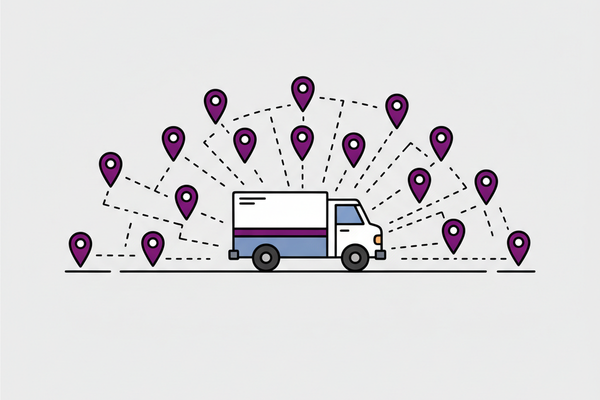
Local SEO for HVAC Companies That Want More AC Calls
At 3 PM on the first brutal Saturday of summer, homeowners don't study ten HVAC websites. They grab a phone, search for AC repair nearby, and call fast. If you're an HVAC contractor and your company i

At 3 PM on the first brutal Saturday of summer, homeowners don't study ten HVAC websites. They grab a phone, search for AC repair nearby, and call fast.
If you're an HVAC contractor and your company isn't in those top local results, you miss the easiest jobs of the week.
That's why local SEO for HVAC matters so much. Call it local SEO HVAC, HVAC local SEO, or just map visibility to boost online visibility, the goal is simple: more calls from nearby people who need cold air now. When you focus on your Google Business Profile, reviews, service pages, and tracking, you stop chasing random traffic and start showing up where buyers actually choose.
Why Map Pack visibility drives more AC calls
When an AC unit quits, the Google Map Pack on Google Maps becomes the decision screen. Most people want a local HVAC contractor, a solid rating, and a phone button they can hit in seconds.
A 2026 HVAC local SEO guide reports that 49% of local HVAC searchers in the HVAC industry contact a business within 24 hours. That's not casual browsing. That's money-on-the-table intent.
When the house is hot, speed beats brand loyalty.
So, your job isn't to rank for every keyword under the sun. Your job is to own the money terms in the neighborhoods you serve with a focused SEO strategy. Think "emergency AC repair in Columbus" or "AC tune-up near Westerville," not a giant pile of vague phrases, thanks to smart keyword research.
This is where many HVAC owners waste time. They publish general blog posts, then wonder why the phone stays quiet. Helpful content has a place, but your first win comes from the Map Pack, not a 1,500-word article about refrigerant basics.
A recent HVAC local search breakdown makes the same point. Urgent searches happen on mobile, and the businesses that show up first get the first shot at the call. Paid ads can help during peak season, too. Still, once you stop paying, that visibility disappears. Your local pack presence can keep working long after the ad budget cools off.
Not sure where to start? Our what local SEO actually is and how it works walks you through it step by step.
Your Google Business Profile is your real homepage
If that sounds familiar, check out Google Maps ranking factors that move the needle.
Before you touch anything else, fix the asset customers see first. For local HVAC companies, that asset is your Google Business Profile (formerly Google My Business).
If your Google Business Profile has weak photos, old hours, missing services, or no replies to reviews, you look half-open even when your trucks are rolling.
Start with the basics:
- Categories and services: Match your primary category to your main revenue work, like AC repair, installation, and maintenance.
- Hours and emergency details: If you offer after-hours help, say so clearly.
- Service areas: Set your service area by adding the cities and neighborhoods you actually cover.
- Photos: Show your techs, trucks, installs, and real repair work.
- Activity: Post updates, answer questions, and reply to reviews every week.
That last point matters more than most owners think. Local SEO rewards cadence, not stunts, just as it did back when this was called Google My Business. One big cleanup won't carry you through July. Weekly photos, posts, review management, and small fixes stack up. Reply to customer reviews consistently. That's how you defend your spot when competitors wake up and start trying.
You also want your Google Business Profile to help people act fast. Keep the business name and phone number accurate. Use a strong business description. Make sure your website link goes to a page that loads quickly and makes it easy to call. On a hot day, friction kills leads.
We wrote a whole post on getting more Google reviews without begging that goes deeper.
Build city and service pages that turn searches into calls
Your website still matters, but not as a generic brochure. You need pages built around what people search when they need help right now.
That means separate location pages for core services and top cities. If you serve three major markets, create pages for each one. If AC repair is your top summer offer, give it its own page in each city you care about.
A page for "AC repair in Dayton" should not be a copy-and-paste clone of "AC repair in Cincinnati." Each page needs local proof. Add neighborhood names, local reviews, common service issues for that area, and a clear call button above the fold.
One HVAC local SEO guide says 84% of consumers contact an HVAC company after searching online. That's a huge reminder: if your page is thin, has poor page speed, or is vague, you're leaking calls.
Keep these pages practical. Show the services you offer. Mention financing if you have it. Answer common local questions. Prioritize mobile optimization to make it easy to call on mobile. Then support those pages with clean business info across local citations like Apple Maps, Bing, and Facebook, plus schema markup to help search engines understand the service details.
You don't need an endless directory subscription to get the basics right. You do need NAP consistency where it counts.
Reviews and tracking turn rankings into revenue
Customer reviews do two jobs at once. First, they help your rankings. Second, they help a stressed homeowner trust you enough to call.
That's why customer review volume and review speed matter. A company with 12 reviews from two years ago looks sleepy. A company with fresh reviews about fast AC repair feels active and safe. Alongside customer reviews, building local links helps establish authority.
Make review requests part of your closeout process. Ask right after a successful job. Send a short link by text. Then reply to every review, good or bad, in a calm, useful tone. When customers mention real services and locations in their own words, that helps far more than generic praise.
Just don't stop at rankings. Rankings fuel lead generation. Calls do.
Track what matters for lead generation:
- Google Business Profile calls and direction requests
- Phone calls from service and city pages
- Review count, rating, and response rate
- Google Map Pack movement and map rankings for your top money terms
We've seen a home services account move from map-pack #9 to #3 in about 60 days, with calls up 38%, after fixing the basics like technical SEO, earning backlinks, and sticking to a weekly rhythm. That's the real lesson. Small moves, done every week, beat flashy one-off projects.
Most HVAC companies should expect meaningful lift in about 90 days. Some see movement faster, especially if their profile is weak today. Either way, steady work wins.
The bottom line
If you want more AC calls, focus on search engine optimization in the places customers choose from first: your Google Business Profile (Google My Business), your city and service pages, and your reviews. Keep the work simple, weekly, and tied to real call data. That's how you build a steadier pipeline with greater online visibility through targeted search engine optimization, without living on ad spend or content marketing alone. If you want a calm, done-for-you system, book a 20-minute local pack map-pack plan call with Curve.